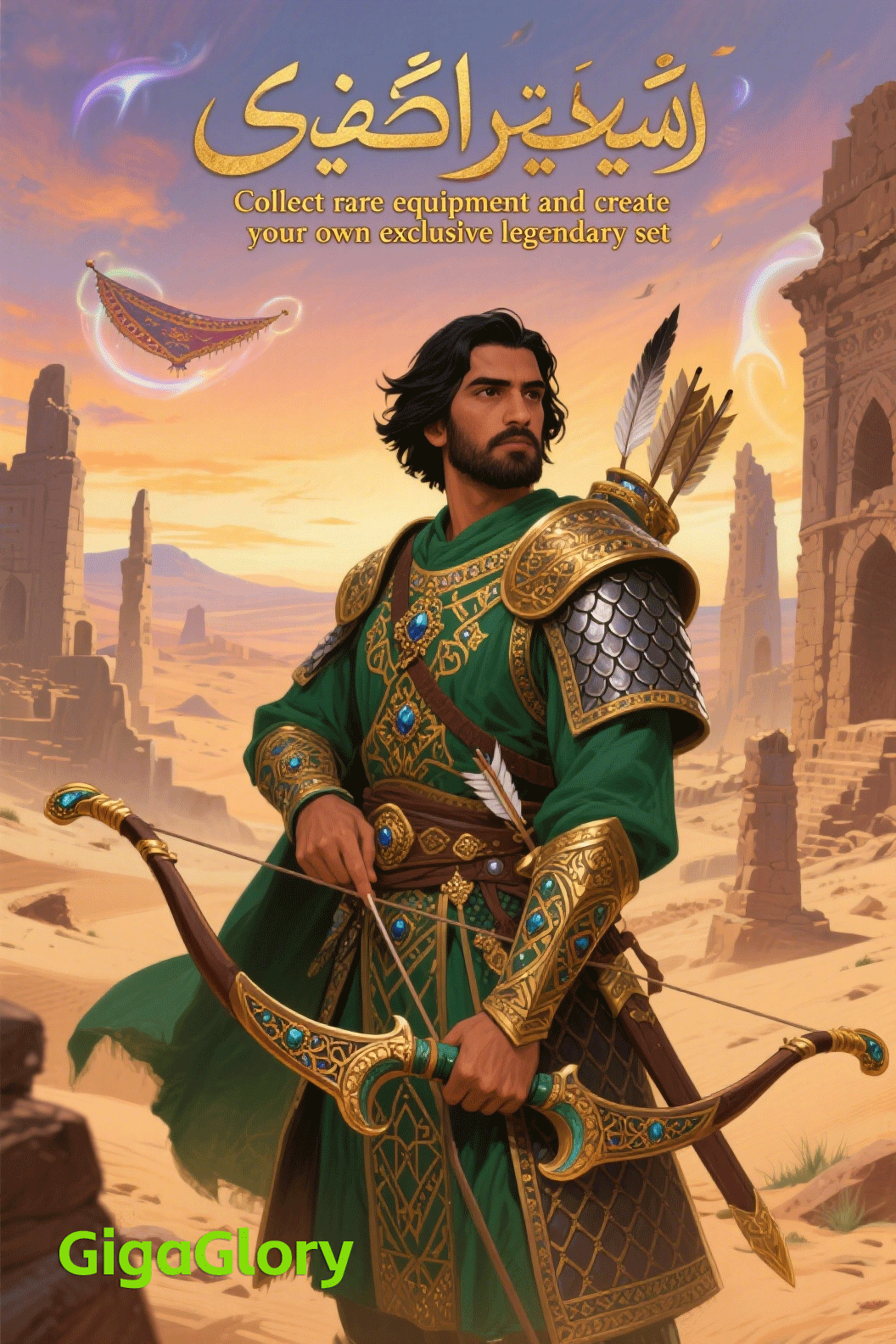
Mastering the Battlefield: How Real-Time Strategy Games Redefine Gaming Tactics
In the current gaming landscape, strategy games have taken center stage, especially real-time strategy (RTS) games. These games have revolutionized how players interact with virtual environments and challenge their tactical thinking. In this article, we'll delve into the mechanisms of RTS games, their history, and their impact on gaming tactics. Furthermore, we'll touch upon popular genres, such as puzzle games like sudoku kingdom download puzzles, and gaming tools like the delta force aimbot.
The Evolution of Real-Time Strategy Games
Real-time strategy games emerged in the early 1990s and quickly gained popularity. Unlike turn-based games, RTS requires players to make decisions in real-time, which leads to a more dynamic and engaging gameplay experience.
Key Features of RTS Games:
- Real-time decision-making: Players must adapt quickly to changing scenarios.
- Resource management: Success hinges on effectively gathering and allocating resources.
- Unit control: Players command units and engage in battles against opponents.
- Map awareness: Understanding the terrain plays a vital role in strategies.
What Makes RTS Unique?
RTS games stand apart from other genres due to their demand for tactical foresight. Players aren’t just focused on immediate outcomes; they must plan for longer-term objectives, making these games complex yet rewarding.
Comparison with Other Gaming Genres
| Genre | Decision Timing | Player Interaction |
|---|---|---|
| Real-Time Strategy | Immediate | High |
| Turn-Based Strategy | Delayed | Moderate |
| Puzzle Games | Flexible | Low |
The comparison above clearly highlights how RTS games demand immediate responses, contrasting sharply with the more relaxed pace of puzzle games, where players can take their time-solving challenges.
Historical Context
The roots of real-time strategy games can be traced back to military simulations and board games. The first notable RTS game was Dune II, released in 1992, which set the standard for future titles. Since then, franchises like StarCraft and Age of Empires have continued to evolve the genre.
Analyzing Modern RTS Games
Today’s RTS games blend elements from various genres, utilizing advanced graphics and AI to enhance gameplay. Titles like Company of Heroes and Warcraft III not only emphasize strategy but also immerse players in deep storytelling and character development.
Current Trends in RTS
- Integration of eSports: RTS games are featured prominently in competitive gaming.
- Mobile platforms: Games like Clash of Clans adapt traditional RTS gameplay mechanics for mobile users.
- AI Companions: Some games introduce AI allies to assist players, altering the traditional gameplay dynamic.
Beyond RTS: The Allure of Puzzle Games
While real-time strategy games bathe players in warfare and resource management, puzzle games like sudoku kingdom download puzzles provide an alternative but equally engaging experience. These games rely on critical thinking and problem-solving but at a slower pace. They offer a fantastic way for players to engage their minds without the intense pressure of real-time decision-making.
The Role of Aimbots in Strategy Games
In the competitive world of gaming, tools like the delta force aimbot have emerged, surfacing ethical debates within the community. While these tools claim to enhance gameplay, they risk undermining the very essence of fair competition.
Pros and Cons of Aimbots:
- Pros: Can improve players' accuracy and performance.
- Cons: Can lead to bans, diminish the gaming experience for others, and create an unfair advantage.
Conclusion
Real-time strategy games have undoubtedly reshaped the gaming landscape, emphasizing quick thinking, adaptability, and deep strategy integration. As gamers flock to these dynamic experiences, the appeal of puzzle games persists, offering a different kind of mental stimulation. Similarly, as technology advances, the ethical implications of tools like aimbots continue to be a hot topic of discussion. Ultimately, whether engaging in a battlefield scenario or solving a Sudoku puzzle, the opportunities for strategic thinking and problem-solving are ever-present in the gaming realm.